Rubbish removal in SE10 Greenwich trusted local teams
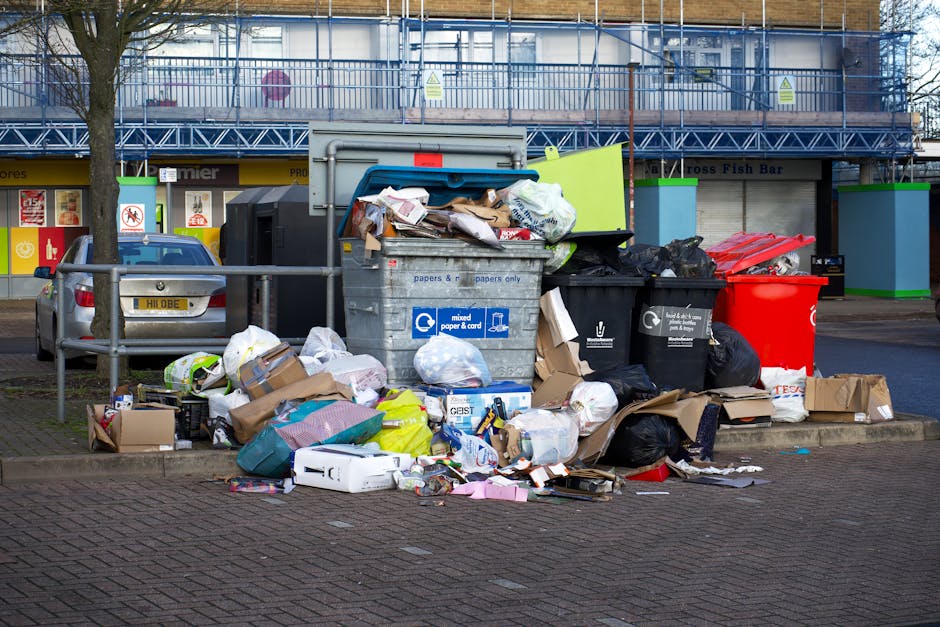
If you live or work in SE10 and the rubbish is piling up faster than you can shift it, you are not alone. A hallway full of broken furniture, a garden corner stacked with old bits of timber, or a flat that needs clearing before a move can turn from "I'll deal with it later" into a proper headache very quickly. That is where rubbish removal in SE10 Greenwich trusted local teams comes in: a practical, local solution that saves time, reduces stress, and helps you handle waste properly.
The best rubbish removal service is not just about loading things into a van. It is about showing up on time, understanding the access issues around Greenwich streets and estates, working carefully in shared spaces, and removing waste with as little fuss as possible. In this guide, you will find a clear explanation of how it works, what to expect, how to choose a trustworthy team, and the mistakes worth avoiding. If you are comparing options, the details matter. A lot.
For readers looking to understand the wider service picture, you may also find the company's waste removal, house clearance, and flat clearance pages useful alongside this article.
Table of Contents
- Why rubbish removal in SE10 Greenwich trusted local teams matters
- How rubbish removal in SE10 Greenwich trusted local teams works
- Key benefits and practical advantages
- Who this is for and when it makes sense
- Step-by-step guidance
- Expert tips for better results
- Common mistakes to avoid
- Tools, resources and recommendations
- Law, compliance, standards, or best practice
- Options, methods, or comparison table
- Case study or real-world example
- Practical checklist
- Conclusion
- Frequently asked questions
Why rubbish removal in SE10 Greenwich trusted local teams matters
SE10 has its own rhythm. You have period homes, modern flats, busy roads, tight parking, and plenty of properties where access is not exactly generous. That means rubbish removal is not always a simple "turn up and take it away" job. It needs local know-how. A trusted local team understands the realities of Greenwich: narrow stairwells, shared entrances, lift restrictions, short loading windows, and the occasional awkward item that only just fits through the door. Sometimes not at all. We have all seen that sofa.
Why does this matter? Because bad rubbish removal creates avoidable problems. Missed collection days can leave waste outside longer than you want. DIY trips can take more time than expected, especially if you need to hire a vehicle, protect your car, and queue at a recycling site. And if waste is handled carelessly, there can be issues with damage, complaints from neighbours, or poor disposal practices. In a place like Greenwich, where space is precious and people notice what is happening, professionalism goes a long way.
There is also a trust element. A good local team gives you confidence that items will be collected safely, the property will be respected, and the disposal route will be handled sensibly. That is especially important for households, landlords, letting agents, and businesses that need work done quickly but without cutting corners. To be fair, most people are not looking for drama. They want the job done neatly, and preferably today.
Expert summary: In SE10, the best rubbish removal service is one that combines speed, careful handling, local access awareness, and responsible disposal. Convenience matters, but reliability matters more.
How rubbish removal in SE10 Greenwich trusted local teams works
The process is usually straightforward, but the details make a big difference. A reputable team will normally begin by understanding what needs to go, how much there is, where it is located, and whether there are any access issues. That could be a top-floor flat, a basement room, a rear garden, or an office with limited loading space. The more accurate the picture, the smoother the job.
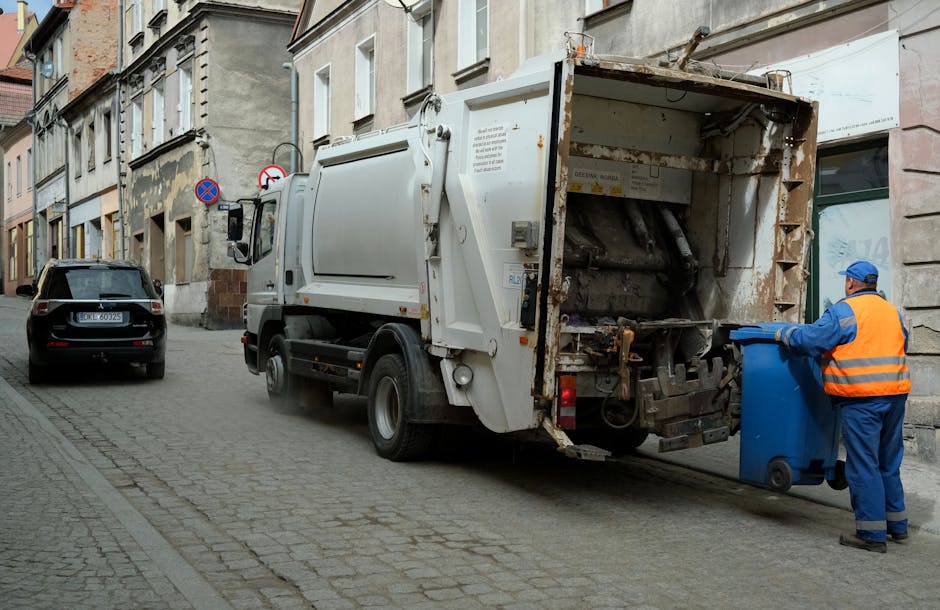
In many cases, rubbish removal is arranged as a collection service rather than a skip hire job. That means the team comes to you, loads the waste, and takes it away in one visit where possible. It is often the right option when you want minimal disruption, especially if the waste is mixed, bulky, or awkwardly stacked.
A local provider may also group collections by type of property or project. For example, a homeowner may need a garage sorted, while a landlord might need a flat cleared after tenants leave. A business might need office furniture shifted during a refit. The approach changes a little each time, but the aim stays the same: clear the waste safely and efficiently.
It helps to think of the service in five stages:
- Initial enquiry - you explain what needs removing and when.
- Assessment - the team estimates the amount, access, and likely time required.
- Collection - items are loaded carefully, often with two-person teams for heavier work.
- Sorting - reusable and recyclable items are separated where possible.
- Disposal - waste is taken to the appropriate facility or processed in line with best practice.
If your job involves household clutter rather than general rubbish, related services such as home clearance, garage clearance, or loft clearance may be a better fit. The same goes for specific bulky items, where furniture disposal or furniture clearance may be more appropriate.
Key benefits and practical advantages
There are plenty of reasons people in SE10 choose professional rubbish removal instead of handling it themselves. Some are obvious; some only become obvious once you have tried to move a mattress down three flights of stairs on your own. Not fun.
- Speed: A trusted team can clear waste much faster than a DIY approach, especially when time is tight.
- Convenience: You do not have to hire a vehicle, lift heavy items, or make multiple trips.
- Better handling of bulky items: Old sofas, wardrobes, garden waste, and mixed rubbish are easier when there are trained hands on the job.
- Reduced disruption: Local crews can work around residential streets, parking limits, and building access with less hassle.
- More responsible disposal: Good operators separate recyclable material and avoid unnecessary landfill use where they can.
- Cleaner results: You are left with a usable space rather than a half-finished pile of bags and broken shelving.
There is also a quieter benefit: peace of mind. When the waste is gone, the room suddenly feels bigger, brighter, and more manageable. That small mental lift is often worth more than people expect. You notice it most in the first ten minutes after the clearance. The air feels different. The place feels like yours again.
If recycling and environmental responsibility matter to you, it is worth looking at the company's recycling and sustainability approach. It gives you a clearer idea of how materials are handled beyond the collection itself.
Who this is for and when it makes sense
This service suits more people than you might think. It is not only for large house moves or major refurbishments. In fact, some of the most common jobs are the everyday ones that creep up on you.
You may need rubbish removal in SE10 if you are:
- clearing a flat before or after a tenancy change
- moving home and want to reduce the load
- dealing with a messy loft, shed, or garage
- renovating a room and have old materials to shift
- removing old furniture that will not fit in standard bins
- sorting out a business premises, office, or storage space
- tidying up a garden after pruning, landscaping, or storm damage
For landlords and letting agents, timing is often the key issue. A vacant property may need a quick turnaround before cleaning, inspection, or re-letting. For homeowners, the urgency may be more personal: a bereavement, a major life change, or simply a house that has become too full over time. That last one is common, and no shame in it either.
Businesses in Greenwich often need something a little more structured. If you are dealing with desks, office chairs, packaging, or old stock, office clearance or business waste removal may be more suitable than a general household collection.
Step-by-step guidance
If you want a smoother clearance, a little preparation helps. Not a huge amount, just enough to save time and avoid confusion on the day. Here is a practical way to handle it.
- Sort what is going. Group items by type if you can: general rubbish, furniture, garden waste, builders' debris, and anything reusable.
- Separate anything you want to keep. It sounds obvious, but it is surprisingly easy to lose track when a room is half packed.
- Check access. Look at stairs, parking, gates, lifts, and any fragile areas that need protecting.
- Take a few clear photos. This helps the team understand the volume and spot awkward items in advance.
- Ask about disposal and pricing. You want clarity before the work starts, not after the van is loaded.
- Confirm timing. Morning, afternoon, same-day, next-day. Whatever suits the situation best.
- Walk through the job on arrival. A quick on-site overview can prevent misunderstandings and make the clearance much smoother.
If the waste comes from a renovation or trade project, you may need a more specific service such as builders waste clearance. That is especially relevant for plasterboard, timber offcuts, packaging, and mixed construction debris.
And if the job is more seasonal than structural, such as hedge cuttings, soil, branches, or old garden furniture, a dedicated garden clearance can keep things tidy without mixing materials that should really be handled separately.
Expert tips for better results
A few small choices can make rubbish removal much faster and less stressful. These are the things that tend to save time in the real world, not just on paper.
- Photograph awkward items before booking. That one oversized wardrobe or broken treadmill can change the whole plan.
- Keep pathways clear. Even a narrow hallway becomes much easier when shoes, plant pots, and boxes are out of the way.
- Be honest about volume. Understating the amount can lead to delays or a second visit. Nobody enjoys that.
- Ask what can be recycled or reused. It is a simple question, but it often improves the outcome.
- Plan around neighbours and access. In shared buildings, a little courtesy goes a long way. Quiet loading matters.
- Bundle similar waste together. It helps the team work faster and can make the clearance feel less chaotic.
One practical tip people often miss: if you are clearing furniture, decide in advance whether anything might be donated, repurposed, or broken down for easier handling. That can make a surprisingly big difference. A table that comes apart is one thing; a solid oak cabinet on a third-floor landing is another story entirely.
For long-term planning, it may also help to understand the company's general approach via the about us page, especially if you care about how the team works, not just what it collects.
Common mistakes to avoid
Most rubbish removal problems are avoidable. The tricky part is that they often look minor at first. Then the truck arrives, the lift is too small, and suddenly everyone is doing awkward measurements in a hallway. Let's not do that.
- Leaving everything to the last minute. Rushed bookings often mean rushed decisions.
- Not checking access properly. Parking and stair access can matter just as much as the waste itself.
- Mixing hazardous items with general rubbish. Items like paint, chemicals, gas canisters, or sharp materials need extra caution.
- Choosing purely on price. The cheapest option is not always the best value if it creates delays or poor service.
- Assuming all waste is handled the same way. Different materials may need different treatment, and a trustworthy team should be able to explain that.
- Forgetting to ask about insurance and safety. Especially for flats, staircases, and heavier items.
Another easy mistake is not checking whether the service is suitable for the type of premises. A residential flat, a shop backroom, and a storage unit all have different practical needs. If you are unsure, ask. Good teams do not mind careful questions; in fact, they usually prefer them.
Tools, resources and recommendations
You do not need a big toolkit to prepare for rubbish removal, but a few simple items can help the day go more smoothly.
- Bin bags or sturdy sacks for loose waste and smaller items
- Labels or marker pens to mark what stays and what goes
- Gloves if you are handling dusty or awkward material beforehand
- Cleaning supplies for a quick sweep after bulky items are removed
- Phone camera for photos of the load and access points
- Tape measure if you want to check whether large furniture will fit through doors
In terms of service pages, readers often benefit from comparing the specific clearance type that fits the job best. For example, a property that needs emptied after tenants leave may call for house clearance, while a one-bedroom apartment with heavy furniture and mixed clutter may be better matched with flat clearance. Small difference, but an important one.
It is also worth reviewing pricing and quotes if you want to understand how quotations are usually approached. Clear pricing is one of the strongest signs that you are dealing with a team that values transparency.
Law, compliance, standards, or best practice
Waste removal in the UK sits within a framework of legal duties and good practice expectations, especially around how waste is handled, transported, and disposed of. You do not need to know every technical detail to choose a decent service, but you should expect any serious operator to treat waste responsibly and follow appropriate procedures.
In simple terms, a trustworthy team should be able to explain how they manage different waste types, how they reduce unnecessary landfill use, and how they protect people and property during collection. They should also have clear internal procedures for safety, complaints, insurance, and payment. That is basic professionalism, not a bonus feature.
Where hazardous or unusual materials are involved, extra care is needed. This is not the time for guesswork. If you have paint tins, solvents, sharps, or other specialist items mixed in with household rubbish, mention them before the team arrives. The same applies to heavy items, confined access, or potentially contaminated waste. Better to flag it early than improvise on a landing.
For customers who want extra reassurance, it can help to read the company's health and safety policy, insurance and safety information, and terms and conditions. Those pages help set expectations around how work is carried out, what responsibilities sit where, and how the service is structured. Not glamorous reading, perhaps, but useful. Very useful.
Privacy matters too, especially if you are sharing contact details, property access information, or job photos. If that is on your mind, the privacy policy is worth a look. And for straightforward payment reassurance, you may also want to check payment and security.
Options, methods, or comparison table
Not every waste problem needs the same solution. Sometimes a full collection is best. Sometimes a more targeted clearance is enough. Here is a simple comparison to help you think it through.
| Option | Best for | Strengths | Watch out for |
|---|---|---|---|
| General rubbish removal | Mixed household waste, clutter, bags, light bulky items | Fast, flexible, practical for everyday jobs | May not suit very large or specialised clearances |
| House clearance | Whole-property or large-volume clearances | Best for major decluttering, moves, and inherited properties | Needs more planning and clear item separation |
| Flat clearance | Flats, apartments, and multi-storey access | Useful where stairs, lifts, and neighbours affect the job | Access details must be accurate |
| Furniture disposal | Old sofas, wardrobes, tables, beds | Good for bulky items that are difficult to move alone | Measure items if access is tight |
| Builders waste clearance | Renovation debris and trade waste | More suitable for DIY and construction leftovers | Some materials require careful separation |
If you are deciding between methods, ask yourself a simple question: what is actually causing the problem? Is it volume, weight, access, or the type of waste? That answer usually points to the right service faster than anything else.
Case study or real-world example
Imagine a SE10 flat near a busy high street. The tenant has moved out, the landlord needs the place cleared before end-of-week cleaning, and the living room still holds a sagging sofa, a broken coffee table, two mattresses, and half a dozen bags of mixed clutter. There is no loading bay, the stairwell is narrow, and the neighbours are not exactly thrilled about noise. Fair enough.
A local team that understands the area would usually tackle this by confirming access beforehand, arriving with the right number of people, and removing items in a sequence that avoids blocking the hallway for too long. Heavy furniture goes first, smaller waste next, and anything that can be recycled is separated where possible. The job ends with a cleared floor, a quick sweep-up, and a property ready for the next stage.
Now compare that with a rushed DIY approach. A hired van might need extra trips, the sofa might not fit properly, and the stairwell can become the bottleneck. One missed detail, and the whole afternoon goes. That is the difference a trusted local team makes. Less faff. More done.
Another common example is a garden in Greenwich after a seasonal tidy-up: branches, soil bags, broken planters, an old shed shelf, and a rusted barbecue that has definitely seen better days. A proper garden clearance can turn a cluttered outdoor space into something usable again, often in one tidy visit.
Practical checklist
Use this checklist before booking rubbish removal in SE10. It will save time, and probably a bit of stress too.
- Know exactly what needs removing
- Separate items you want to keep
- Take photos of bulky or awkward waste
- Check stairs, parking, lift access, and opening hours
- Flag any heavy, sharp, or unusual items in advance
- Ask whether the service suits your property type
- Confirm pricing, timing, and what is included
- Review insurance, safety, and disposal expectations
- Decide whether you need general rubbish removal or a more specific clearance service
- Make sure pathways are clear on the day
One small extra: if you are clearing a room for renovation, do a final sweep for plugs, cables, or loose screws before the team arrives. You would be surprised how often those little bits get missed. Tiny things, but annoying ones.
Conclusion
Rubbish removal in SE10 Greenwich trusted local teams is really about making a messy job feel manageable. The right team brings more than a van. It brings local awareness, safe handling, clear communication, and a service that respects your time and your property. That is what people want, even if they only say they need "someone to come and take it away."
If you are deciding between general waste removal and a more specific clearance, take a moment to think about the volume, the access, and the type of items involved. A little clarity upfront usually leads to a better, calmer result. And in a busy part of London, calmer is good.
For a broader overview of the company's approach and service standards, you can also explore the main homepage and learn more about the team on the about us page. When you are ready to make a move, the next step is simple enough.
Get a free quote today and see how much you can save.
Frequently Asked Questions
What does rubbish removal in SE10 Greenwich usually include?
It normally includes the collection and removal of general waste, bulky household items, unwanted furniture, garden debris, and other non-hazardous rubbish. The exact scope depends on the provider and the job size.
How quickly can a trusted local team collect rubbish in Greenwich?
Many jobs can be arranged quickly, sometimes on the same day or next day depending on availability. The key is to give clear details about the amount of waste and access conditions from the start.
Is rubbish removal better than hiring a skip?
It depends on the situation. Rubbish removal is often easier when you want fast loading, limited disruption, or help with heavy items. Skip hire can suit longer projects where you want to fill waste over time.
Can rubbish removal handle furniture and bulky items?
Yes, often it can. Sofas, wardrobes, beds, and tables are commonly removed as part of a clearance. If the items are the main issue, furniture-specific services such as furniture clearance may fit better.
What should I do before the team arrives?
Separate items to keep, take a few photos, check access, and move small obstacles out of the way. A little preparation makes the collection smoother and usually quicker.
How do I know if I need house clearance rather than general rubbish removal?
If you are clearing a whole property, dealing with most contents of a home, or emptying rooms rather than just removing stray waste, house clearance is often the better match.
Do local teams in SE10 handle flats and upper floors?
Yes, many do. Flat access, stairwells, lifts, and shared entrances are common in Greenwich, so experienced local teams are usually comfortable working around those conditions.
What about garden waste and outdoor clutter?
That is usually handled separately or as part of a more focused clearance. Branches, soil bags, old pots, and outdoor furniture are typical examples of items suited to garden clearance.
How important is recycling when choosing a rubbish removal service?
Very important if you want the waste handled responsibly. Reputable teams should explain how they sort, recycle, and dispose of items, especially when mixed waste or reusable materials are involved.
Should I check safety and insurance before booking?
Yes. It is sensible to review how the team handles safety, property protection, and liability. The company's insurance and safety information is a good place to start.
What if I only have a few items to remove?
That is still worth arranging if the items are bulky, awkward, or difficult to move. Small jobs can be surprisingly time-consuming when you try to handle them alone, especially in a flat or narrow staircase.
How can I get a price without confusion?
Share photos, be specific about quantities, and mention anything unusual. Clear details usually lead to a clearer quote. If you want to understand how pricing works in more depth, the pricing and quotes page is helpful.
What is the best next step if I am ready to book?
Gather a few photos, decide what needs removing, and contact the team with your preferred timing. If you need a broader property service, you may also compare options like home clearance or flat clearance before choosing.