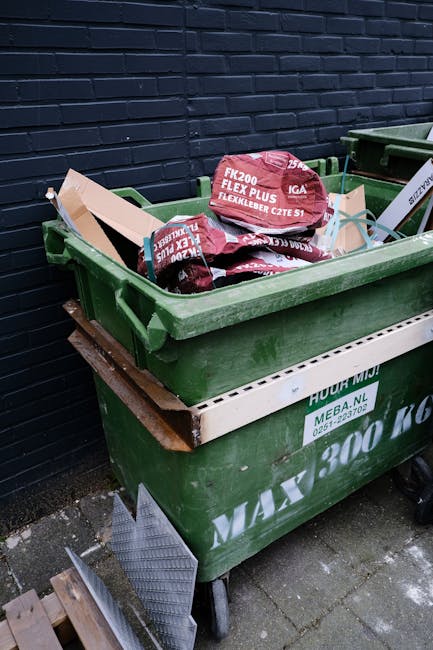
Greenwich Market rubbish collection times and options: a practical local guide
If you are trying to work out Greenwich Market rubbish collection times and options, you are probably dealing with a very ordinary but slightly annoying problem: bags, boxes, packaging, food waste, broken-down display items, or leftover stock that needs shifting without causing a fuss. Maybe you are a trader who needs a clean pitch before opening, or perhaps you are nearby and wondering what can be taken away, when, and by whom. Either way, timing matters. A lot.
This guide explains how rubbish collection around Greenwich Market typically works, what options are usually available, what to check before you leave waste out, and how to choose the most practical route for your situation. It also covers common mistakes, compliance basics, and a few real-world tips that save time on a wet Wednesday morning when the bins are already full and everyone wants to get on with the day.
In plain English: if you want to reduce hassle, keep the area tidy, and avoid the classic "I thought someone else was handling it" moment, you are in the right place.
Quick expert summary: the best rubbish solution is usually the one that matches the volume, timing, and type of waste. Small, regular waste needs a routine. Bulkier clear-outs need a planned collection. And if you are not sure which category you fall into, it is safer to ask first than to guess.
- Why rubbish collection times and options matter
- How collection around Greenwich Market works
- Key benefits and practical advantages
- Who this is for
- Step-by-step guidance
- Expert tips for better results
- Common mistakes to avoid
- Tools, resources and recommendations
- Law, compliance and best practice
- Options and comparison table
- Real-world example
- Practical checklist
- Frequently asked questions
Why Greenwich Market rubbish collection times and options Matters
Rubbish collection is not just about tidiness. Around a busy market, timing affects everything: pedestrian flow, trader setup, stock handling, smells, pests, and how professional the whole place feels. If waste is left too early, it can get in the way. Too late, and you may be stuck with full bags, wasted space, and a rush you did not need.
Greenwich Market is a working, high-footfall environment. That means waste has to be managed in a way that respects traders, visitors, neighbouring businesses, and local access needs. A stray pile of cardboard or a broken box at the wrong time can become a problem surprisingly fast. Anyone who has tried to move three large bags through a narrow, busy lane knows the feeling. Not ideal.
There is also a practical and reputational side. Clean, well-timed rubbish handling helps traders look organised, supports smoother collections, and reduces the chance of missed pickups. If you run a stall, a cafe, or a nearby business, being clear on collection options can save you from avoidable stress and keep operations moving.
For larger clearances or recurring waste streams, it can be worth looking at structured support such as business waste removal or general waste removal. For one-off bulky items, the right choice may be a scheduled clearance rather than trying to squeeze everything into a standard bin plan.
How Greenwich Market rubbish collection times and options Works
There is no single one-size-fits-all answer here, because waste around a market can fall into different categories. Some waste is light and regular. Some is bulky. Some is recyclable, and some needs careful segregation. The right collection time depends on what you are putting out, where it is stored, and who is responsible for taking it away.
In practice, the process usually follows a pattern:
- Sort the waste by type - cardboard, packaging, food waste, general rubbish, old furniture, fixtures, or mixed waste.
- Check the collection window - waste often needs to be presented at a specific time, not just whenever it is convenient.
- Keep access clear - collection vehicles and operatives need safe access, especially in a busy market setting.
- Use the correct container or storage method - sacks, bins, cages, or piled items may each have different expectations.
- Remove prohibited items separately - some waste should never be mixed into general rubbish.
That sounds straightforward, but the detail matters. For example, flattened cardboard is far easier to collect than loose, broken boxes that have gone soggy from a light drizzle. And if you are dealing with furniture, broken shelving, or end-of-day stall materials, you may need a different collection arrangement altogether.
For that reason, many people compare standard rubbish handling with more flexible services such as flat clearance, furniture disposal, or even furniture clearance if the waste is bulky but still manageable. The practical question is simple: do you need routine collection, or do you need a one-off removal?
Typical timing considerations
While exact collection times can vary, market waste usually works best when it is:
- put out close to the agreed pickup time, not the night before unless specifically instructed
- kept in a place that does not block the market route or the public walkway
- segregated so recyclable material is easy to identify
- protected from weather where possible, especially cardboard and paper
Let's face it, wet cardboard is nobody's idea of a good morning.
Key Benefits and Practical Advantages
Once rubbish collection is organised properly, the benefits show up in small but noticeable ways. You waste less time. The site feels calmer. Staff know what to do. And the whole operation looks more under control, which matters more than people sometimes admit.
- Cleaner trading environment - less clutter around stalls and access points.
- Smoother opening and closing routines - collections fit around business hours instead of interrupting them.
- Lower handling stress - fewer last-minute decisions about where to put bulky waste.
- Better recycling outcomes - sorted waste is easier to divert from landfill.
- Reduced safety risk - clear walkways matter in crowded areas.
- More professional presentation - customers notice tidy surroundings, even if they do not say it out loud.
There is also a hidden benefit: predictable collection times make everyone more efficient. Traders stop improvising. Teams stop asking the same question every day. A five-minute nuisance becomes a system, and that is usually where the real gain is.
If you are handling more than small bags and boxes, it can help to think in terms of the wider waste picture. Services like recycling and sustainability can support better sorting decisions, while pricing and quotes helps when you want a clearer idea of what a paid collection might involve.
Who This Is For and When It Makes Sense
This topic is relevant to more people than you might expect. It is not just for market traders with piles of packaging at the end of the day. It can also matter to nearby businesses, landlords, property managers, and anyone responsible for clearing waste in a busy mixed-use area.
Here are the most common situations:
- Market traders who need regular rubbish collection timed around setup and pack-down.
- Food and drink businesses dealing with packaging, general waste, and hygiene-sensitive material.
- Retail units and pop-ups that generate cardboard, displays, and occasional bulky waste.
- Local residents who need advice on bulky items or one-off waste disposal.
- Office and back-of-house teams clearing stock, paperwork, or old fittings.
- Anyone managing a move-out or refurbishment near the market.
It also makes sense when your current collection setup starts to feel stretched. Maybe the bins are always overfull. Maybe the pickup timing no longer fits your trading pattern. Or maybe you are seeing a build-up of items that are not suitable for standard rubbish collection, such as old chairs, broken shelving, or worn fixtures.
For those situations, support like house clearance, home clearance, or office clearance may be more practical than trying to solve everything with routine waste pickup alone.
Step-by-Step Guidance
If you are trying to organise rubbish collection around Greenwich Market without making a mess of it, follow a simple sequence. Nothing fancy. Just the basics done properly.
- Identify the waste type
Start by separating general waste, recycling, food waste, and bulky items. If something could be recycled but ends up in general waste, that is usually the first place to improve. - Check what needs to be removed and when
Ask yourself whether the waste is daily, weekly, occasional, or one-off. Timing should follow volume, not habit. - Measure the amount realistically
People often underestimate bulky waste. One cupboard and a broken shelf can look harmless until you try to move them through a narrow doorway. - Choose the right collection route
For routine waste, a scheduled arrangement may be enough. For bigger or mixed loads, a specialist removal service is often easier. - Prepare the waste properly
Flatten boxes, tie bags securely, and separate sharp or awkward items. A little preparation makes a huge difference. - Keep access clear
Do not block paths, entrances, or fire routes. This is one of those things that sounds obvious until it isn't. - Confirm collection details in advance
Time, place, access instructions, and the type of waste all need to be clear. Miscommunication is where most delays begin. - Review the result after collection
Check what worked and what did not. If the same issue keeps happening, adjust the collection method rather than repeating the problem.
A small, practical habit helps here: keep a simple waste log for a week or two. Nothing elaborate, just a note of what fills up fastest and when. You may notice a pattern. Often there is one trade day or one type of packaging that drives most of the waste. Once you see that, the answer becomes much clearer.
Expert Tips for Better Results
In our experience, the best waste systems are the boring ones. Not glamorous, but reliable. And reliable beats clever every time.
1. Match the collection to the real waste stream
If your waste is mainly cardboard and clean packaging, do not treat it the same as mixed refuse. If it is bulky or awkward, do not pretend it will fit into a standard arrangement forever. That mismatch is where collection problems start.
2. Protect recyclable material from weather
Even a bit of rain can turn light materials into heavy, awkward waste. Store cardboard, paper, and dry recyclables under cover where possible. It sounds minor, but you will notice the difference quickly.
3. Make someone responsible
Collections go smoother when one person owns the process. Not because everyone else is useless, obviously, but because vague responsibility is where things drift.
4. Plan for peak days
If certain days are busier than others, build your waste plan around that. A Friday-looking waste problem often starts on Thursday afternoon.
5. Don't forget bulky oddments
Broken stools, damaged display units, old shelving, and storage boxes can pile up quietly. They are the kind of items that sit in the corner for weeks and then suddenly become someone else's urgent problem.
If you are dealing with mixed or awkward waste, a service such as builders waste clearance may also be useful where refurbishment debris is involved. It is not only for bricks and rubble; it can help when there is a real mix of heavy, messy material that regular waste routes are not built for.
Common Mistakes to Avoid
Most rubbish collection issues are preventable. The awkward bit is that people usually know this after the mistake has already happened.
- Leaving waste out too early - it creates clutter, may block access, and can attract attention you do not want.
- Mixing waste types - recyclable material, food waste, and general rubbish should not all be treated the same.
- Underestimating volume - one "small clear-up" can turn into three bags, a box, and a wobbling pile of extras.
- Forgetting access constraints - market environments can be tight, busy, and time-sensitive.
- Ignoring bulky items until the last minute - the bigger the item, the more planning it usually needs.
- Assuming someone else will deal with it - a dangerous phrase in any shared environment.
Another common issue is not checking whether the waste route fits the setting. A stall-based waste need is very different from a full property clearance. If the wrong method is chosen, the process feels awkward and expensive even when the price itself is fair.
To avoid that, consider whether the job is closer to a garage clearance, a loft clearance, or simple waste removal. Those distinctions matter more than people think.
Tools, Resources and Recommendations
You do not need a huge toolkit to manage rubbish well, but a few practical basics make life easier. Simple things, really.
- Heavy-duty sacks or bins - useful for keeping waste secure and tidy.
- Cardboard cutters and tape - flattening boxes saves space fast.
- Labels or colour-coded bags - helpful if multiple people handle waste.
- Covered storage space - protects recyclable material from rain and wind.
- A clear collection timetable - even a printed sheet pinned in a back area can prevent confusion.
As for recommendations, keep the process as simple as the site allows. If waste is regular and predictable, build a routine. If it is occasional and messy, use a flexible collection method rather than forcing it into a weekly pattern that does not fit.
For people dealing with a wider clear-out, useful nearby services include furniture clearance, garden clearance, and furniture disposal. Those options are particularly helpful when waste is not just rubbish, but a mix of items that need sorting and lifting.
Law, Compliance, Standards, or Best Practice
Waste handling in the UK should always be treated with care. You do not need a legal lecture, but you do need to know the basics. Businesses have a duty to manage waste responsibly, avoid fly-tipping, and use appropriate disposal methods. In shared public spaces and market environments, safe access and good housekeeping matter too.
Best practice usually means:
- keeping waste separated where practical
- using only lawful disposal routes
- avoiding obstruction of public walkways, exits, or emergency access
- storing waste safely before collection
- being careful with anything sharp, heavy, or potentially hazardous
If you are managing business waste, it is wise to keep records, know what is being collected, and understand who is responsible. That is not just paperwork for the sake of it. It helps show that you have taken reasonable steps, which is what good practice looks like in the real world.
For collections involving operatives entering your property, handling heavy items, or navigating awkward access, a company's safety approach matters. Pages such as health and safety policy, insurance and safety, and terms and conditions are useful to review so expectations are clear before the work begins.
Options, Methods, or Comparison Table
There are usually three sensible ways to approach rubbish collection around a busy market setting. The best one depends on volume, timing, and how much flexibility you need.
| Option | Best for | Strengths | Limitations |
|---|---|---|---|
| Routine scheduled rubbish collection | Regular small-volume waste | Predictable, simple, low-disruption | Less suitable for bulky or mixed items |
| One-off waste removal | Occasional clear-outs or seasonal surplus | Flexible, quick, helpful for awkward loads | May need more planning around access and timing |
| Dedicated clearance service | Bulky, mixed, or high-volume waste | Handles more complex jobs, often more efficient for larger clean-ups | Can be more involved than a basic bin collection |
There is no perfect option for every situation, and that is fine. For a tidy stall with a few sacks, routine collection may be enough. For a back room full of old shelving and packaging, a clearance-style approach is usually far better. The trick is to be honest about the job in front of you.
Case Study or Real-World Example
Here is a realistic example. A small trader near Greenwich Market finishes a busy week with cardboard, food packaging, a broken display crate, and two damaged stools that have been sitting in the corner for months. At first glance, it looks like "just rubbish". In reality, it is three different waste problems.
If the trader tries to put everything into one general rubbish collection, the bags are heavy, the cardboard gets crushed, and the stools end up awkwardly left behind. It is messy, a bit rushed, and not especially pleasant. By contrast, sorting the load first changes the whole experience. Cardboard is flattened and kept dry. General waste is bagged separately. The stools are booked as part of a furniture or bulky item removal. One small bit of planning, and suddenly the back area looks calmer by late afternoon.
That is the difference between a reactive approach and a proper one. Nothing dramatic. Just less friction.
In a larger version of the same scenario, a nearby office or shop might even combine a waste pickup with a office clearance or home clearance if old items, paperwork, and fixtures all need sorting at once. Truth be told, it is often easier to tackle the whole backlog in one go than to chip away at it forever.
Practical Checklist
Use this before arranging collection. It takes two minutes and saves a lot of backtracking.
- Have I identified the waste type correctly?
- Is any waste recyclable, reusable, or special-handling?
- Do I know the preferred collection time?
- Is the access route clear for collection?
- Have bags or items been secured properly?
- Are bulky items booked for the right kind of removal?
- Will the waste be protected from weather if needed?
- Is one person responsible for the handover?
- Have I checked the provider's safety and insurance information?
- Do I know what happens if the load changes at the last minute?
If you can tick those off, you are already ahead of the game. And yes, it really can be that simple.
Conclusion
Getting Greenwich Market rubbish collection times and options right is mostly about matching the waste to the method and the timing to the reality of the site. Once you do that, things get easier quickly. The area stays clearer, traders spend less time improvising, and collections stop feeling like a weekly scramble.
The main thing to remember is that not all waste should be treated the same. Some needs a routine, some needs flexibility, and some needs a proper clearance approach. If you are dealing with bulky items, mixed waste, or a clear-out that has grown arms and legs, choosing the right service is often the difference between a smooth day and a frustrating one.
Get a free quote today and see how much you can save.
And if you are still weighing up what to do next, start with the simplest question: what needs to go, and when does it really need to leave? Once you answer that, the rest usually falls into place.
Frequently Asked Questions
What are Greenwich Market rubbish collection times and options?
They are the different ways rubbish can be collected around the market, plus the times waste needs to be put out or removed. The best option depends on the waste type, how much there is, and whether it is regular or one-off.
Can I leave rubbish out the night before collection?
Only if that is specifically allowed in your arrangement. In a busy area, leaving waste out too early can block access, attract mess, or create a nuisance. The safer approach is to follow the agreed window closely.
What if I have both cardboard and general waste?
Separate them if you can. Cardboard is often easier to handle and recycle when flattened and kept dry. Mixed waste tends to be heavier, messier, and more difficult to process.
Do I need a special service for bulky items?
If the items are too large for standard bins or sacks, yes, a dedicated clearance or bulky item removal is usually the better choice. That applies to old furniture, broken display units, and similar items.
How do I know which rubbish option is right for me?
Start by asking how often the waste appears, how much there is, and whether any of it is bulky or awkward. Routine waste fits routine collection. Bigger or irregular jobs usually need a more flexible removal service.
Is rubbish collection different for market traders and nearby businesses?
Often, yes. Traders may need tighter timing and more frequent collection because of setup and pack-down cycles. Nearby businesses may need a broader waste plan, especially if they generate mixed or bulky items.
What should I do if waste builds up unexpectedly?
Do not leave it to chance. Sort it as soon as possible, identify anything recyclable or bulky, and arrange the most suitable removal route. The longer waste sits, the harder it usually becomes to manage.
Can rubbish collection include furniture or fixtures?
Sometimes, but not always under standard rubbish collection. Furniture, fixtures, and damaged fittings are often better handled through dedicated clearance or disposal services.
How can I reduce rubbish around Greenwich Market in the first place?
Use less packaging where practical, flatten cardboard, sort waste early, and keep a clear routine for collection. Small habits make a big difference in a busy environment.
What should I check before booking a clearance service?
Check the type of waste, access conditions, timing, pricing clarity, and whether the provider has proper safety and insurance measures in place. It is also sensible to read the terms before the work starts.
What if I am dealing with waste from a move or refurbishment?
That usually calls for a more flexible solution than everyday rubbish collection. Depending on the load, a house clearance, loft clearance, builders waste clearance, or office clearance may be more appropriate.
Are recycling and sustainability important here?
Yes, very. Sorting recyclable materials properly reduces waste and usually makes collection more efficient. It is better for the environment and, frankly, often less chaotic for everyone involved.
If you want a straightforward next step, review the type of waste you have, check the timing that works best, and compare your options calmly. A good plan now saves a messy rush later, and that is usually worth a lot on a busy market day.