Eco-Friendly Home: Simple Solutions for a Green Living
As the world becomes more environmentally conscious, the idea of an eco-friendly home resonates with many looking to contribute positively to the planet. Transitioning to a greener lifestyle doesn't have to be complicated or costly. With a few simple changes, you can significantly reduce your environmental footprint while creating a healthier living environment. In this guide, we'll explore efficient solutions for green living that are both accessible and impactful.
Understanding the Benefits of a Green Home
Before diving into the specific solutions, it's crucial to understand why creating an eco-friendly home is beneficial:
- Environmental Impact: By using fewer resources and minimizing waste, you reduce your carbon footprint and contribute to a healthier planet.
- Cost Savings: Many sustainable practices lead to reduced utility bills, saving you money in the long term.
- Healthier Living: Non-toxic materials and improved air quality contribute to a healthier living environment.
Start with Energy Efficiency
1. Upgrade to Energy-Efficient Appliances
One of the simplest steps towards a green living home is upgrading old appliances to energy-efficient models. Look for Energy Star ratings when purchasing:
- Refrigerators: Modern models use significantly less energy.
- Washers and Dryers: Invest in front-loading models that use less water and electricity.
- Dishwashers: Newer models can save gallons of water per cycle.
2. Optimize Heating and Cooling Systems
Your home's heating and cooling systems are significant energy consumers. Consider:
- Smart Thermostats: Automate temperature adjustments to save energy.
- Quality Insulation: Proper insulation keeps your home comfortable year-round, reducing energy consumption.
- Ceiling Fans: These can complement air conditioning and heating systems, distributing air efficiently.
Water Conservation Techniques
Water is a precious resource, and conserving it is vital for an eco-friendly lifestyle. Here are a few methods:
1. Install Low-Flow Fixtures
Low-flow faucets and showerheads can significantly reduce water usage without sacrificing pressure.
2. Consider a Water-Efficient Toilet
Consider installing dual-flush or low-flow toilets to decrease water use.
3. Collect Rainwater
Set up a rainwater collection system for watering gardens and lawns. This sustainable practice benefits the environment and reduces water bills.
Incorporate Sustainable Building Materials
When renovating or building, opt for sustainable materials:
- Bamboo: An excellent alternative to hardwood, bamboo grows quickly and is highly renewable.
- Recycled Metal: A durable option that's environmentally friendly.
- Cork Flooring: This sustainable material is also antimicrobial.
Adopt Green Landscaping Practices
Sustainable landscaping can greatly improve your home's environmental impact:
1. Plant Native Species
Choose plants that are native to your area. They typically require less water and are more resistant to local pests.
2. Create a Compost Pile
Composting organic waste reduces landfill contribution and creates nutrient-rich soil for gardening.
Focus on Indoor Air Quality
Improving indoor air quality is crucial for a healthier home environment:
1. Use Natural Cleaning Products
Harsh chemicals in household cleaners can harm indoor air quality. Opt for natural alternatives like vinegar, baking soda, and lemon.
2. Houseplants as Air Purifiers
Certain houseplants can purify the air, removing toxins like formaldehyde and benzene.
- Spider Plant
- Peace Lily
- Snake Plant

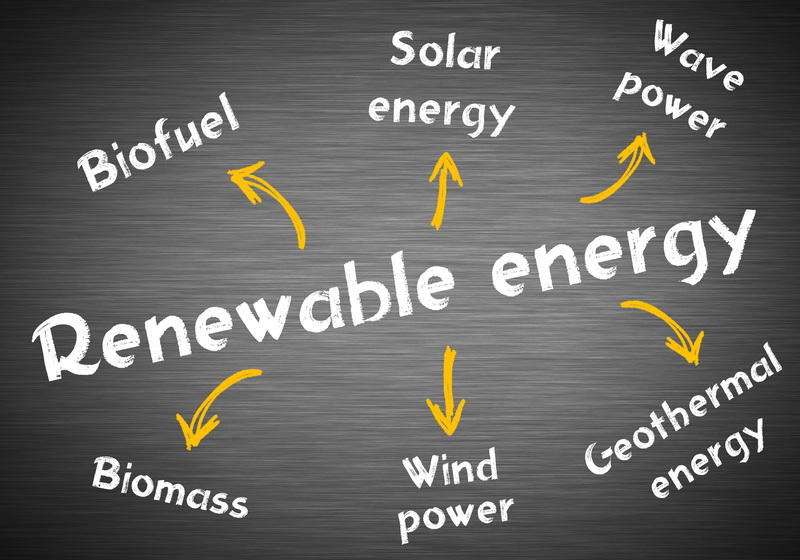
Embrace Renewable Energy Sources
Generating your own energy is possibly the most impactful way to green your home:
1. Solar Panels
Installing solar panels can drastically reduce your dependence on the grid and lower your electricity bill.
2. Wind Turbines
If your area's conditions permit, small domestic wind turbines can be a sustainable energy source.
Conclusion: Take Small Steps towards a Sustainable Future
Creating an eco-friendly home doesn't require a full overhaul overnight. Implement these solutions at a pace that suits your lifestyle and budget. Every small change contributes to a more sustainable environment, proving that small steps can indeed lead to significant transformations in green living.
Adopting these practices not only benefits the planet but also creates a more enjoyable, cost-effective, and healthier living space. Start your journey today and move towards a brighter, sustainable future.