Introducing Recycling: A Kid-Friendly Guide
Recycling is a simple, powerful way for everyone--including kids--to help our planet. But what exactly is recycling, why is it important, and how can children get involved? In this comprehensive, kid-friendly guide to recycling, we'll explore all these questions and more. Get ready to become a Recycling Expert and make a big difference in your community!
What is Recycling?
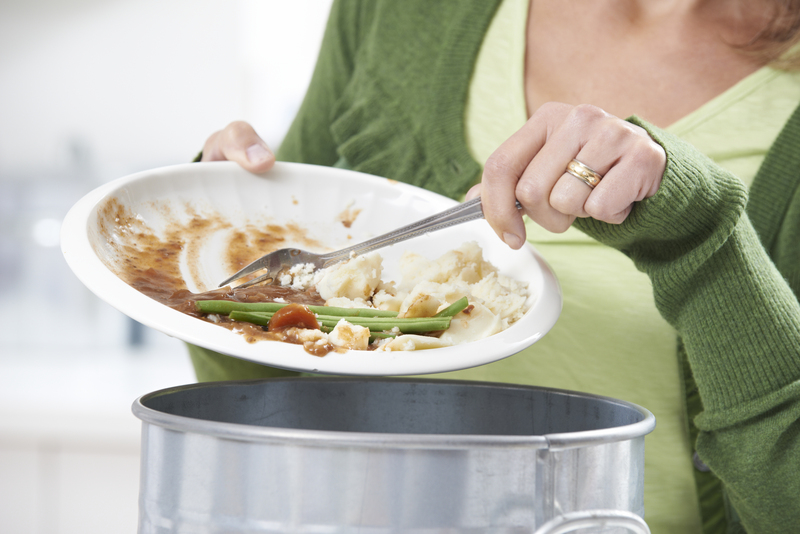
Let's start with the basics. Recycling means taking something that is no longer needed or wanted and turning it into something useful again, instead of throwing it away as trash.
- Paper can be turned into new notebooks or newspapers.
- Plastic bottles can become playground equipment.
- Old glass jars can be recycled into brand-new glass bottles.
Recycling reduces waste, saves energy, and helps protect our environment. Pretty cool, right?
Why is Recycling Important for Kids?
It's never too early to start making a difference! When kids understand how recycling helps the earth, they can inspire their families and friends, too. Here are just a few reasons why recycling is important:
- Recycling saves natural resources like trees and water.
- It reduces pollution--less garbage in landfills means less air and water pollution.
- It helps fight climate change by lowering the amount of greenhouse gases released.
- Recycling gives old items new life instead of creating more waste.
- Keeps our planet beautiful for animals, plants, and people!
When you recycle, you become a Planet Protector! Isn't that exciting?
Understanding Different Types of Recycling
Did you know not everything can be recycled in the same way? Here are some of the main categories of materials you'll see in your recycling bin:
- Paper and Cardboard: Newspapers, cereal boxes, magazines, and paper bags all go in recycling.
- Plastic: Water bottles, milk jugs, and some food containers are accepted. Always check the number on the bottom--usually, #1 and #2 plastics are safe for most neighborhood recycling centers.
- Glass: Bottles and jars of all colors can be recycled, but always wash them out first!
- Metals: Aluminum cans (like soda cans) and steel food cans can be recycled again and again.
- Electronics (E-Waste): Old computers and phones can be recycled through special programs.
Tip: Always check with your local recycling program to see what they accept!
Easy Steps to Start Recycling at Home
Are you ready to start recycling with your family? Here's how you can turn your home into a Recycling Headquarters!
1. Set Up Recycling Bins
- Get separate bins or boxes for paper, plastics, metals, and glass.
- Label the bins clearly so everyone knows what goes where.
- Place the bins in an easy-to-reach spot, like the kitchen or garage.
2. Rinse and Clean
- Rinse food containers before recycling--this helps keep the recycling process healthy and safe.
3. Learn What Can and Cannot be Recycled
- Ask an adult to help you look up your city's recycling rules.
- Don't recycle items like greasy pizza boxes, plastic bags, or food waste in your home's recycling bin.
4. Recycle Regularly
- Make recycling part of your weekly routine--like taking out the trash, but much cooler!
Recycling Variations: What About Composting and Reusing?
Did you know there are more ways to help our planet besides just recycling? Composting and reusing items can help even more!
Composting
Composting means turning food scraps and yard waste into healthy soil for plants. You can compost things like:
- Banana peels
- Eggshells
- Apple cores
- Leaves
- Grass clippings
Reusing
Reusing means finding new uses for items before throwing them away. For example:
- Decorate old jars to use as pencil holders or plant pots.
- Turn worn-out T-shirts into cleaning rags.
- Donate toys and clothes you've outgrown to others.
Fun Recycling Projects for Kids
Recycling isn't just about sorting bottles and cans--it can be an awesome way to get creative and have fun! Here are some kid-friendly recycling crafts and activities you can try:
- Robot Building: Use boxes, bottle caps, and tin cans to build your own robot friend!
- DIY Bird Feeder: Turn an empty plastic bottle into a bird feeder and watch the birds enjoy.
- Egg Carton Animals: Make turtles, bumblebees, or caterpillars out of egg carton sections and some paint.
- Recycled Art Show: Have a family challenge to make art out of only recycled items. Show off your creations!
Recycling Facts for Smart Kids
Impress your friends and family with these cool facts about recycling:
- Every ton of paper recycled saves about 17 trees, 7,000 gallons of water, and a lot of energy!
- Recycling just one aluminum can saves enough energy to power a TV for three hours.
- It takes up to 1,000 years for plastic bags to decompose in landfills. Recycling and reusing helps solve this problem!
- Glass can be recycled endlessly without losing quality or purity.
- About 75% of the waste we throw away could be recycled. Imagine how much cleaner the world would be if everyone recycled!
How Kids Can Encourage Recycling at School
You can be a Recycling Champion not just at home, but also at your school! Here's how:
- Start a Recycling Program: Ask your teacher or principal if your school has a recycling system. If not, suggest starting one!
- Make Posters: Create colorful signs that show what can be recycled and where to put it.
- Host a Classroom Competition: See which classroom can recycle the most each month and celebrate the winners.
- Recycling Education: Give a short presentation or write a story about the benefits of recycling for the school newsletter or announcements.
What Can't Be Recycled? Common Recycling Mistakes
Knowing what not to recycle is just as important as knowing what to recycle. Here's a quick list:
- Pizza Boxes with Lots of Grease: Small amounts are okay, but if it's really greasy, compost it or throw it away.
- Plastic Bags: Most curbside recycling programs don't accept these, but you can drop them off at special store collection bins.
- Styrofoam: Very hard to recycle and not accepted in most programs.
- Food Waste: Should go in the compost, not your recycling bin.
- Dirty Containers: Always rinse before recycling.
Tip: When in doubt, check with your local recycling program or an adult before putting something in the bin.
Going Further: How Kids' Recycling Habits Matter
Recycling helps create a positive change that reaches far beyond your own home or school. By becoming a thoughtful recycler, you're helping to:
- Support cleaner, healthier neighborhoods.
- Protect habitats for wild animals.
- Save important natural resources for the future.
- Encourage more people to recycle, too!
Even small recycling actions add up to make a big difference for our planet.
Mistakes to Avoid When Recycling
- "Wish-Cycling": Hoping an item is recyclable doesn't make it so! Double-check if you're not sure.
- Throwing Non-Recyclable Items: Things like batteries, packing peanuts, or electronics need special disposal.
- Not Cleaning First: Dirty recyclables can ruin whole batches. Always rinse and remove food.
- Mixing Materials: For example, a plastic bottle with a metal cap can cause problems--remove caps and sort separately if needed.
How Recycling Helps the Earth: A Kid's Perspective
Imagine if no one ever recycled. Mountains of garbage would pile up everywhere! Parks, playgrounds, and nature could be covered in trash, and animals might get sick from eating things they shouldn't.
But, when kids and families recycle together, we:
- Keep our cities and parks clean.
- Help animals by keeping their homes safe from litter.
- Save energy that can be used for schools, homes, and hospitals.
- Make brand-new things from old stuff!
Recycling is a team effort that makes the world a better place--for people, animals, and plants!
Frequently Asked Questions About Recycling for Kids
- Can I recycle my schoolwork and drawings? Yes, but remove any glitter, stickers, or other non-paper decorations first.
- What do I do with batteries and electronics? These go to special facilities. Ask an adult for help.
- Do I need to take off lids from bottles and jars? It's best to remove and recycle separately, if possible.
- Why can't everything be recycled? Some materials are too dirty, mixed, or hard to process with current technology.
- How can I learn more about recycling? Try looking up recycling facts online, reading books from the library, or talking with adults in your community who are recycling experts!
Conclusion: Every Kid Can Be a Recycling Hero!
Recycling for kids is all about learning, taking action, and spreading good habits. Whether you start by recycling at home, creating crafts from used materials, or teaching friends at school, every step counts. You don't have to do it perfectly--just start and keep learning.
Remember: By joining the recycling movement, you are helping the planet, saving resources, and building a brighter, cleaner future for everyone.
Recycling is easy, fun, and makes a real difference--so grab your recycling bin and become a Recycling Hero today!